What Are The 8 Best Digital Marketing Strategies?

Digital marketing has become the cornerstone of modern business growth. Whether you run a small local business or a global brand, the right marketing strategy can help you reach more customers, boost sales, and build long-term trust. In this guide, you will learn about eight of the best digital marketing strategies that are truly effective in 2026.
In today’s digital-centric world, having an excellent product or service alone is not enough to achieve long-term business success. Whether you run a small local business, an online store, a startup, or a global brand, a well-planned digital marketing strategy is essential to reach your target audience, build trust, and boost sales. With billions of people using search engines, social media platforms, email, and online videos daily, digital marketing has become one of the most effective ways to expand a business in 2026.
If you’re new to digital marketing, Google’s Digital Marketing & E-commerce Certificate is an excellent resource for learning industry-recognized skills and best practices.
However, with a multitude of marketing channels available, choosing the right approach can seem daunting. Should you focus on Search Engine Optimization (SEO), invest in content marketing, run paid advertising campaigns, or build your brand through social media? The truth is, the best digital marketing strategy isn’t about following every trend; it’s about selecting the right mix of proven strategies that align with your business goals, target audience, and budget.
In this comprehensive guide, you will learn about eight top digital marketing strategies that consistently deliver visible and measurable results for businesses of all sizes. From driving organic website traffic via SEO and creating valuable content to utilizing email marketing, influencer partnerships, video marketing, and marketing automation—each strategy plays a vital role in building a strong online presence and achieving sustainable growth.
Based on my five years of experience, I have seen that if the right digital marketing methods are applied correctly, success is inevitable. Here, I am sharing those best digital marketing strategies with you.
Whether you are new to the world of digital marketing, a business owner trying to generate more qualified leads, or a marketer looking for practical ways to enhance campaign effectiveness, this guide offers actionable insights, real-world examples, and best practices that you can implement immediately. After reading this article, you will gain a clear understanding of which digital marketing strategies work best in 2026 and how to effectively utilize them to boost brand awareness, attract customers, increase conversions (sales or desired actions), and achieve long-term business success.
What Are the 8 Best Digital Marketing Strategies?
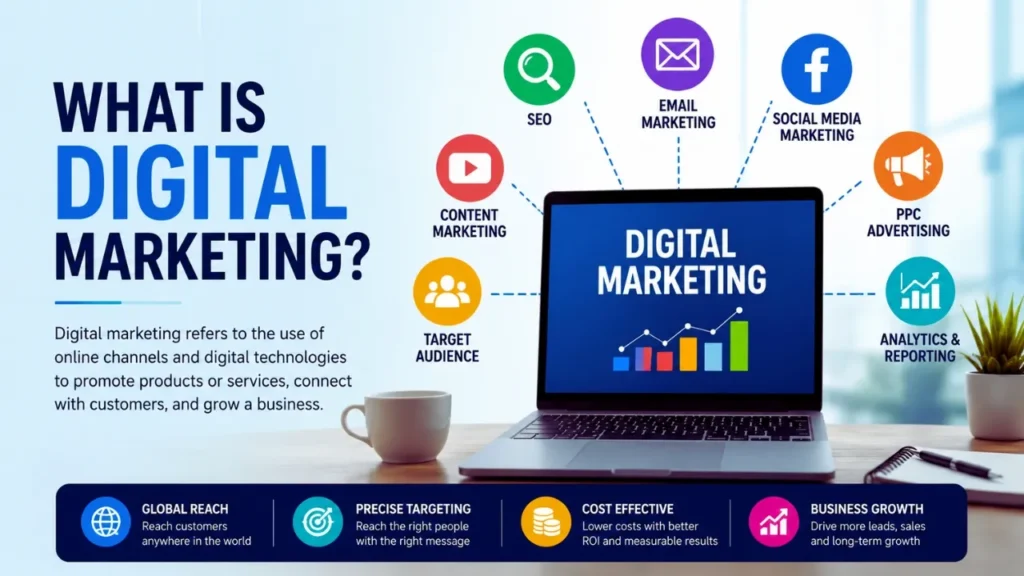
The best digital marketing strategies include Search Engine Optimization (SEO), Content Marketing, Social Media Marketing, Email Marketing, Pay-Per-Click (PPC) Advertising, Influencer Marketing, Video Marketing, and Marketing Automation. These proven strategies help businesses increase brand awareness, attract qualified leads, improve customer engagement, boost conversions, and achieve sustainable long-term business growth.
Today digital marketing is very important to all businesses. If you want to know “What are the 8 best digital marketing strategies ?” and the importance of its, you are welcome to my site. Here I discuss marketing strategies and their benefits. Business owners are always focused on growing their businesses. Effective marketing helps businesses attract customers, increase revenue, and achieve sustainable growth.
8 Best Digital Marketing Strategies and its process –
A. Search Engine Optimization (SEO):

Search Engine Optimization (SEO) stands as the cornerstone of digital marketing, focusing on improving a website’s visibility in search engine results pages (SERPs) organically. By optimizing various elements such as keywords, meta tags, and content quality, businesses can enhance their rankings and attract valuable organic traffic to their business.
To understand Google’s official SEO recommendations, explore the Google Search Central SEO Documentation, which provides best practices for improving website visibility in search results.
This section explores the fundamental principles of SEO, including keyword research, on-page optimization, off-page optimization, technical SEO, and link-building strategies. A good SEO can grow a real audience for every business and service. Businesses are optimized to the first level locally or worldwide in a short time with the right SEO services. Additionally, the evolving landscape of SEO, encompasses voice search, mobile optimization, and the importance of user experience (UX) in driving search rankings.
If you’re new to SEO, read our Complete Beginner’s Guide to Search Engine Optimization (SEO).
B. Content marketing:
Content Marketing help to revolves around creating and distributing valuable, relevant, and consistent content to attract and retain an audience and turn them into customers. Through blog posts, articles, videos, infographics, and more, businesses can establish authority, foster engagement, and derive a good amount of traffic to their website.
For more advanced content creation strategies and industry insights, visit the Content Marketing Institute, one of the leading authorities on content marketing.
A good business strategic aspect of content marketing, includes content planning, creation, distribution, measurement, and taking the best necessary steps for better results. Moreover, it explores advanced content marketing tactics such as interactive content, content repurposing, and leveraging user-generated content (UGC) to amplify brand reach and resonance. Good content can fix a high profit level by attracting a real audience.
Types of content:
- Blogs
- Articles
- Emails
- E-books
- Papers
- Videos
- Audio Content
- Images
- Infographics
- Templates
- Social Media Post
- Interactive Features
- User-generated Content
- Websites
- courses
- Voices, etc.
Learn how to create content that ranks in our Content Marketing Strategy Guide for Beginners.
C. Social Media Marketing:
Social Media Marketing (SMM) is a highly effective digital marketing strategy for boosting brand awareness, fostering customer engagement, and driving traffic to your website. It involves connecting with your target audience by creating and sharing valuable content on platforms such as Facebook, Instagram, LinkedIn, X (formerly Twitter), Pinterest, TikTok, and YouTube. Whether the goal is promoting products, sharing educational content, or building a community, social media marketing strengthens the business-customer relationship through regular interaction and helps drive conversions (sales or desired actions).
Unlike traditional advertising, social media enables two-way communication between businesses and customers. Brands can respond to comments and inquiries in real-time, conduct polls and surveys, host live sessions, and gather customer feedback. This type of engagement builds credibility, fosters brand loyalty, and creates opportunities for repeat business.
To achieve optimal results, businesses should develop a well-planned content strategy, adhere to a consistent posting schedule, and regularly analyze performance. Combining organic content with paid social media advertising significantly helps expand reach, generate quality leads (potential customers), and improve Return on Investment (ROI).
Social Media Marketing Process
Implementing a successful social media marketing strategy involves the following steps:
- Define Goals – Set specific objectives, such as increasing brand awareness, generating leads, driving website traffic, or boosting sales.
- Identify the Target Audience – Gain insights into your audience’s demographics, interests, online behavior, and preferred social media platforms.
- Choose the right platforms – Focus on the platforms where your target audience is most active, such as Facebook, Instagram, LinkedIn, Pinterest, TikTok, or YouTube.
- Create high-quality content – Publish valuable content—such as educational posts, infographics, short-form videos, Reels, Stories, carousels, and live sessions—that solves your customers’ problems.
- Create a content calendar – Plan and schedule regular posts to maintain audience engagement and brand visibility.
- Engage with your audience – Respond promptly to comments, messages, reviews, and mentions to build credibility and strengthen customer relationships.
- Run paid advertising campaigns – Use targeted social media ads to reach new audiences, generate leads, and boost conversions.
- Monitor and optimize performance – Track key metrics—such as reach, engagement, click-through rate (CTR), follower growth, conversions, and ROI—to improve future campaigns.
Best Social Media Marketing Tools
The following tools can help streamline and organize the processes of content creation, scheduling, analytics, and campaign management:
| Tool | Primary Use |
| Meta Business Suite | Managing Facebook and Instagram posts, ads, and analytics |
| Buffer | Scheduling posts across multiple social media platforms |
| Hootsuite | Social media post scheduling, monitoring, and reporting |
| Sprout | Social Social media management, engagement, and analytics |
| Canva | Designing social media graphics, infographics, and carousels |
| Adobe Express | Creating social media visuals and promotional content |
| Metricool | Scheduling posts and analyzing social media performance |
| Later | Planning visual content for Instagram, TikTok, Pinterest, etc. |
| SocialBee | Content scheduling, recycling, and audience management |
| Google Analytics | Measuring website traffic and conversions from social media |
| ChatGPT | Generating content ideas, captions, hashtags, and content calendars |
Example: A local clothing brand publishes Instagram Reels to showcase its new collections, shares customer testimonials on Facebook, pins product collections on Pinterest, and runs targeted Meta Ads to reach potential buyers. By tracking engagement and website traffic using Meta Business Suite and Google Analytics, the brand continuously improves its campaigns, boosts online sales, and builds long-term customer loyalty.
D. Email Marketing:
Email Marketing remains a stalwart in the digital marketing arsenal and offers a direct and personalized channel to engage with customers to businesses. Through targeted email campaigns, businesses can nurture leads, promote products, and foster customer loyalty to gain passive results. This section dissects the components of effective email marketing, including list segmentation, email automation, personalization, and A/B testing at a cheap cost.
If you want a better result in a short time, email marketing is the best marketing strategy for your business. By E-mail marketing proposals, you will target professional, jobseekers, personal, and perfect audiences directly. There are many free and paid e-mail marketing tools available in the world, such that, MailChimp, HubSpot, AWeber, Get Response, etc.
E. Pay-Per-Click Advertising (PPC):
Pay-per-click advertising strategy empowers businesses to display ads across search engines and social media platforms in the world, paying only when users click on their ads anyway. With precise targeting options and real-time performance tracking, PPC offers a cost-effective solution for driving targeted traffic and conversions.
To learn how to create, manage, and optimize PPC campaigns, refer to the Google Ads Help Center, which offers comprehensive guidance for advertisers.
This section will delve into the intricacies of PPC advertising, encompassing keyword research, ad creation, bidding strategies, and ad optimization techniques, and create a marketing strategy graph. Additionally, By exploring advanced PPC tactics such as remarketing, ad extensions, and leveraging audience insights to maximize ROI.
F. Influencer Marketing:
Influencer Marketing capitalizes on the authority and reach of influencers to promote products or services to their engaged audience. It is the best marketing policy of The 8 Best Digital Marketing Strategies. By partnering with influencers relevant to their niche, businesses can amplify brand awareness, build credibility, and drive conversions.

It is a fast marketing strategy for all businesses to get a lakhs of audience. This section explores the dynamics of influencer marketing, including influencer identification, outreach strategies, campaign execution, and performance measurement, and generates great sales. Moreover, it discusses the evolving landscape of influencer marketing, including Nano-influencers, micro-influencers, and the impact of authenticity on influencer partnerships.
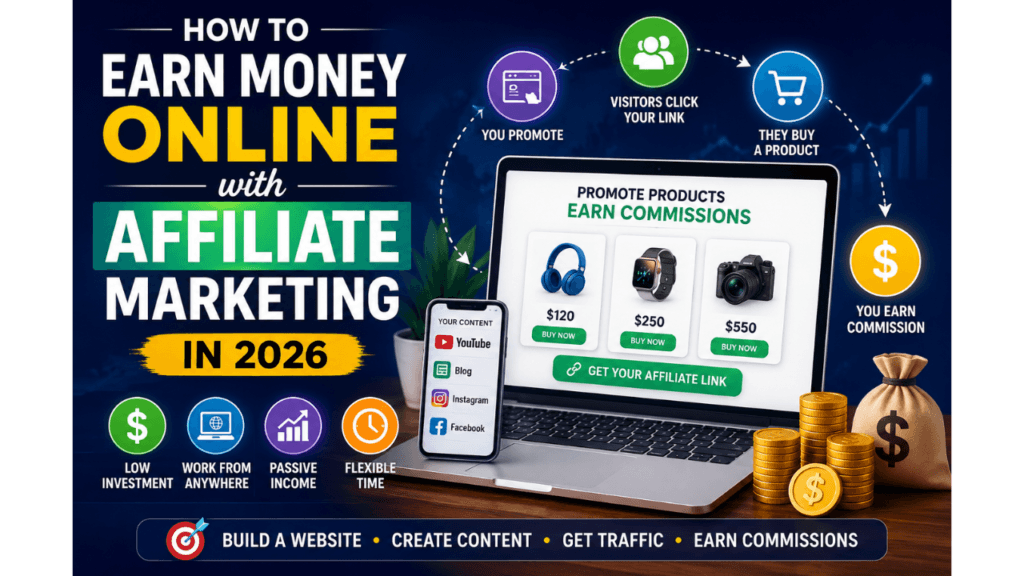
Also read – Earn-money-online-with-affiliate-marketing
G. Video Marketing:

Video Marketing
Video marketing has emerged as one of the most powerful digital marketing strategies for businesses in 2026. It involves creating and sharing engaging video content to promote products, services, or brand values, while simultaneously aiming to educate, entertain, and inspire potential customers. Videos are highly effective because they quickly capture attention, simplify complex topics, and encourage users to spend more time interacting with your brand. To reach a wider audience and boost engagement, businesses can publish videos on platforms such as YouTube, Facebook, Instagram, LinkedIn, TikTok, and their own websites.
Video content can take various forms, including product demonstrations, tutorials, customer testimonials, explainer videos, live streams, webinars, behind-the-scenes clips, and short-form videos like YouTube Shorts, Instagram Reels, and TikTok videos. Each format serves a distinct purpose, helping businesses connect with audiences at different stages of the customer journey.
One of the major advantages of video marketing is its ability to increase brand awareness, drive website traffic, and boost conversion rates (the rate at which viewers convert into customers or take a desired action). Well-optimized videos can also rank in search engine results, making them an excellent addition to your Search Engine Optimization (SEO) strategy. Incorporating relevant titles, descriptions, keywords, captions, and transcripts further enhances a video’s discoverability and accessibility.
To achieve the best results, businesses should create high-quality videos that address audience needs, include a clear ‘Call-to-Action’ (CTA), and provide genuine value rather than focusing solely on promotion. Regularly analyzing performance metrics—such as watch time, audience retention, click-through rate (CTR), engagement, and conversions—helps marketers refine their video marketing strategies and ensure the highest return on investment (ROI).
Example: A software company publishes step-by-step tutorial videos on YouTube to teach users how to utilize their product. These videos attract organic traffic from search engines, answer customer queries, build credibility, and generate qualified leads, ultimately leading to increased product sales and customer satisfaction.
H. Marketing Automation:

Marketing Automation, marketing strategy
Marketing automation is a process that utilizes software and technology to automate repetitive marketing tasks, streamline workflows, and deliver personalized experiences to customers. Instead of manually sending emails, posting on social media, nurturing leads (building relationships with potential customers), or tracking customer interactions, businesses can automate these activities to save time, boost efficiency, and increase conversions or sales. Today, marketing automation has become an essential digital marketing strategy for businesses of all sizes, as it enables marketers to deliver the right message to the right audience at the right time.
Marketing automation integrates multiple marketing channels—such as email marketing, social media, Customer Relationship Management (CRM), lead generation, and analytics—into a unified workflow. By leveraging customer behavior, demographic data, and purchase history, businesses can create personalized campaigns that enhance engagement, strengthen customer relationships, and drive sales. Whether you are a small business owner or part of a large organization, automation helps you scale your marketing efforts while maintaining a consistent customer experience.
If you want to learn more about marketing automation, customer relationship management, and inbound marketing, explore the educational resources available from HubSpot.
One of the major benefits of marketing automation is lead nurturing. Instead of manually communicating with or following up on every potential customer, automation tools can send personalized emails, offer product recommendations, schedule follow-up messages, and notify the sales team when a prospect is ready to make a purchase. This boosts productivity, reduces manual effort, and helps businesses achieve a higher Return on Investment (ROI). Marketing Automation Process
A successful marketing automation strategy typically follows these steps:
Defining Marketing Goals – Identify your objectives, such as generating leads, increasing sales, improving customer retention rates, or automating customer communication.
Selecting the Right Automation Platform – Choose a marketing automation tool that aligns with your business size, budget, and marketing needs.
Audience Segmentation – Divide customers into distinct groups based on demographics, interests, behavior, purchase history, or engagement levels.
Creating Automated Workflows – Set up workflows for welcome emails, abandoned cart recovery, lead nurturing, customer onboarding, follow-up emails, and promotional campaigns.
Personalizing Customer Communication – Use customer data to send personalized emails, product recommendations, and targeted marketing messages.
Integrating Marketing Tools – Connect your CRM, email marketing platform, website, e-commerce store, analytics tools, and social media accounts for seamless automation.
Monitoring Campaign Effectiveness – Track metrics such as email open rates, click-through rates (CTR), conversions, customer engagement, and return on investment (ROI). Optimizing and Improving – Regularly test, analyze, and refine workflows using A/B testing and performance data to enhance campaign effectiveness. Top Marketing Automation Tools
| Tool | Primary Use |
| HubSpot | All-in-one CRM, email marketing, automation, and lead management |
| Salesforce Marketing Cloud | Enterprise-level customer journey automation and personalization |
| Adobe Marketo Engage | B2B marketing automation, lead nurturing, and account-based marketing |
| ActiveCampaign | Email marketing, CRM, customer segmentation, and workflow automation |
| Pardot (Marketing Cloud Account Engagement) | B2B lead generation and sales automation |
| Autopilot | Visual customer journey mapping and workflow automation |
| Drip | E-commerce email marketing and customer lifecycle automation |
| Brevo (formerly Sendinblue) | Email marketing, SMS marketing, CRM, and automation |
| GetResponse | Email marketing, landing pages, webinars, and automation |
| Omnisend | E-commerce automation via email, SMS, and push notifications |
| Kit (formerly ConvertKit) | Email marketing and automation for creators, bloggers, and online businesses |
Example: An online fashion store automatically sends a ‘welcome email’ as soon as a customer signs up, recommends products based on browsing history, reminds customers about incomplete purchases (abandoned carts), and sends follow-up messages with personalized offers after a purchase. By using marketing automation, the business increases customer engagement and conversion rates, saves valuable time, and provides an enhanced customer experience.
Why Are Digital Marketing Strategies Important for Business?
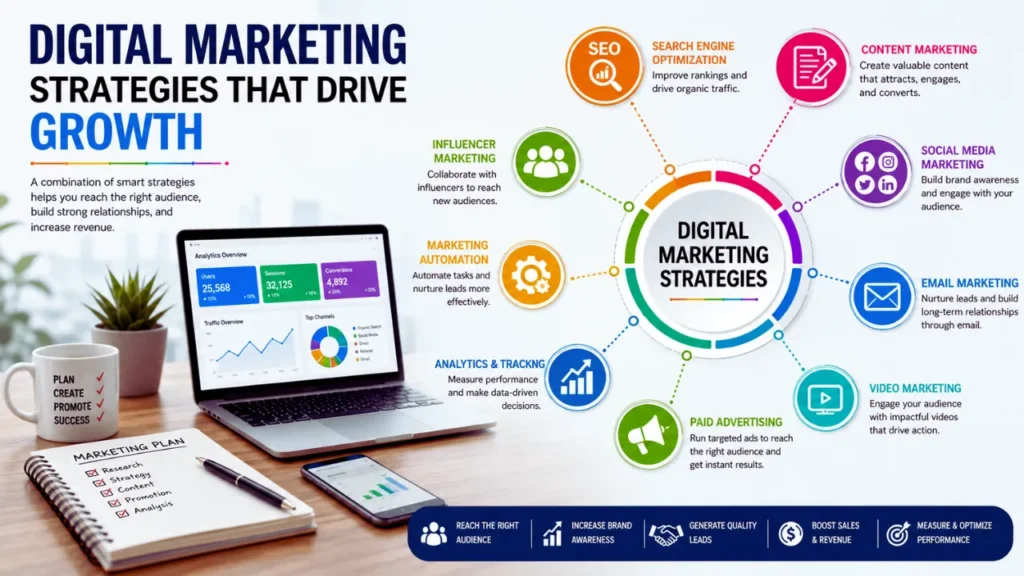
Digital marketing strategies play a crucial role in achieving sustainable business growth in today’s competitive online marketplace. Whether you own a small local business, an e-commerce store, or a global company, a well-defined digital marketing strategy helps you connect with the right customers, build trust, and increase revenue. Unlike traditional marketing, digital marketing offers measurable results, precise customer targeting, and cost-effective ways to promote products and services.
By combining proven strategies such as Search Engine Optimization (SEO), content marketing, social media marketing, email marketing, and paid advertising, businesses can establish a strong online presence and stay ahead of the competition. Here are some key reasons why digital marketing strategies are essential for long-term business success:
Increasing Brand Awareness
One of the major benefits of digital marketing is its ability to boost brand awareness among potential customers worldwide. Through SEO, social media platforms, video marketing, and high-quality content, businesses can consistently reach new customers and establish themselves as reliable brands. The more people recognize your brand, the greater the likelihood they will choose your products or services over those of competitors. A consistent online presence also helps build brand credibility and customer trust over time.
Generating High-Quality Leads
A successful digital marketing strategy focuses on attracting individuals who are genuinely interested in your products or services. Instead of reaching a broad audience through traditional advertising, digital marketing runs targeted campaigns based on user interests, search intent, demographic data, and online behavior. This approach generates high-quality leads that are more likely to convert into actual buyers, thereby enhancing marketing effectiveness and delivering a strong Return on Investment (ROI).
Enhancing Customer Engagement
Building strong relationships with customers is essential for long-term business growth. Digital marketing enables businesses to communicate directly with customers through blog posts, social media, email newsletters, live chat, and personalized content. Regular communication fosters customer loyalty, builds brand trust, and creates opportunities to gather valuable feedback. Businesses that actively communicate and engage with their customers often enjoy higher satisfaction levels and stronger, long-term relationships.
**Increasing Sales and Revenue**
The primary goal of any marketing strategy is to boost sales and revenue. Digital marketing supports and guides potential customers through every stage of the buying journey—from discovering a product to making a purchase and returning as repeat buyers. By combining SEO, content marketing, PPC advertising, email campaigns, and conversion optimization, businesses can attract qualified traffic, improve conversion rates, and achieve consistent revenue growth while keeping marketing costs under control.
**Measuring Marketing Performance**
Unlike traditional marketing methods, digital marketing provides detailed performance data that helps businesses make informed decisions. Tools such as website analytics, conversion tracking, and campaign reports allow marketers to monitor key metrics like website traffic, click-through rates (CTR), lead generation, customer acquisition costs, and conversions. By analyzing this data, businesses can identify what works, optimize underperforming campaigns, allocate budgets more effectively, and continuously refine their overall marketing strategies.
How to Choose the Right Digital Marketing Strategy
Selecting the right digital marketing strategy is crucial for achieving your business goals and maximizing the return on your marketing investment. Not every strategy works equally well for every business; the most effective approach depends on factors such as your objectives, target audience, business type, budget, and available resources. Instead of trying to use every marketing channel at once, focus on strategies that align with your business needs and continuously refine them based on results. Here are four key steps to help you choose the right digital marketing strategy.
Define Your Business Goals
The first step is to clearly define what you want to achieve through digital marketing. Your goals should be specific, measurable, and realistic. For instance, you might aim to increase website traffic, generate quality leads (potential customers), boost online sales, build brand awareness, or grow your email subscriber list. Having clear goals makes it easier to select the most suitable marketing channels and measure success effectively. Businesses with clear objectives can create targeted campaigns that deliver meaningful results.
Understand Your Target Audience
Understanding your target audience is vital for developing a successful digital marketing strategy. Gain insights into your ideal customers by analyzing their demographics, interests, online behavior, pain points or challenges, and purchasing habits. Knowing where your customers spend time online enables you to choose the right channels, create relevant content, and offer personalized experiences. When your marketing messages address the specific needs of your customers, you increase the likelihood of generating quality leads, boosting engagement, and improving conversion rates.
Set a Realistic Marketing Budget
Every business should establish a marketing budget that aligns with its goals and available resources. A realistic budget helps you prioritize channels that deliver the highest Return on Investment (ROI) without overspending. For instance, businesses with limited budgets often achieve excellent long-term results through SEO and content marketing; conversely, companies seeking rapid visibility can benefit from combining organic strategies with ‘Pay-Per-Click’ (PPC) advertising. Regularly reviewing marketing expenses ensures that your investment is effectively driving business growth.
Monitor and Optimize Results
Launching a successful digital marketing strategy is not the end of the process; continuous monitoring and optimization are crucial for long-term success. Use analytics tools to measure Key Performance Indicators (KPIs) such as website traffic, search rankings, click-through rates (CTR), lead generation, conversion rates, customer acquisition costs, and ROI. By regularly reviewing performance data, you can identify successful campaigns, improve underperforming strategies, and enhance overall marketing effectiveness through data-driven decision-making. This process of continuous optimization helps businesses stay competitive and adapt to changing customer behaviors and emerging market trends.
Best Marketing Automation Tools
Choosing the right marketing automation platform can help businesses streamline repetitive tasks, boost customer engagement, nurture leads, and increase conversions or sales. You should select the best tool based on your business size, budget, and marketing goals. Below is a list of some marketing automation tools that are popular among businesses worldwide.
HubSpot – An all-in-one marketing, sales, and CRM platform featuring robust email automation, lead management, analytics, and workflow automation capabilities.
Salesforce Marketing Cloud – An enterprise-level solution that enables businesses to create personalized experiences—or ‘customer journeys’—across email, mobile, social media, and web channels.
Adobe Marketo Engage (Marketo) – A powerful marketing automation platform designed specifically for B2B businesses; it offers features for lead nurturing, account-based marketing, email campaigns, and advanced analytics.
ActiveCampaign – A popular platform that integrates email marketing, CRM, marketing automation, customer segmentation, and sales automation into a single solution.
Pardot (Marketing Cloud Account Engagement) – Salesforce’s B2B marketing automation platform, which helps with lead generation, email campaign automation, lead scoring, and improving sales performance.
Autopilot – A visual marketing automation tool that allows businesses to easily map customer journeys, automate communication processes, and enhance the customer experience.
Drip – An e-commerce-focused marketing automation platform that helps online stores personalize customer experiences through email automation, segmentation, and behavior-based targeting. Brevo (formerly Sendinblue) – an affordable platform offering email marketing, SMS campaigns, automation workflows, CRM, and transactional email services for businesses of all sizes.
GetResponse – a comprehensive marketing platform that includes features for email marketing, automation, landing pages, webinars, and sales funnel management.
Omnisend – designed primarily for e-commerce businesses, Omnisend offers email, SMS, push notifications, automation workflows, and customer segmentation capabilities.
Kit (formerly ConvertKit) – an email marketing and automation platform built for content creators; it helps bloggers, creators, coaches, and online businesses grow their audiences and monetize them.
Choosing the right marketing automation software depends on your business goals, customer journey, and budget. Small businesses often benefit from cost-effective tools like Brevo, ActiveCampaign, or GetResponse, whereas large organizations prefer enterprise-level solutions such as HubSpot, Salesforce Marketing Cloud, or Adobe Marketo Engage due to their advanced automation capabilities.
Discover how to find ranking opportunities with our How to Find Low Competition Keywords guide.
Common Digital Marketing Mistakes to Avoid
Even the best digital marketing strategies can fail if common mistakes are overlooked. Many businesses invest time and money in online marketing without achieving desired results because they neglect essential and effective practices. By understanding and avoiding these common errors, businesses can enhance their online presence, boost conversions, and ensure the highest return on investment (ROI).
Neglecting Search Engine Optimization (SEO)
One of the major mistakes businesses make is neglecting Search Engine Optimization (SEO). Without proper SEO, even high-quality websites and valuable content may struggle to appear in search engine results. Improving organic rankings requires optimizing elements such as website content, keywords, page speed, mobile-friendliness, internal linking, and technical performance. Businesses that ignore SEO often lose potential customers to competitors who consistently maintain strong search engine rankings. Investing in SEO helps generate long-term organic traffic, increases brand awareness, and reduces reliance on paid advertising.
Publishing Low-Quality Content
Content is the cornerstone of successful digital marketing; however, publishing shallow, outdated, or poorly researched content can negatively impact both search rankings and user trust. Instead of creating content solely for search engines, businesses should focus on producing accurate, original, and valuable content that solves real problems for customers. High-quality content—featuring reliable sources, real-world examples, and clear explanations—encourages visitors to stay on the site longer, share the content, and return for future information. Regularly publishing useful content enhances a website’s authority and credibility.
**Failing to monitor analytics or data**
Many businesses launch marketing campaigns without monitoring their effectiveness; consequently, it becomes difficult to determine what is working and what needs improvement. Tracking analytics or data makes it possible to measure Key Performance Indicators (KPIs)—such as website traffic, conversion rates, click-through rates (CTR), bounce rates, user engagement, and return on investment (ROI). By regularly analyzing this data using tools like Google Analytics and Google Search Console, businesses can make informed decisions, optimize campaigns, and utilize their marketing budgets more effectively.
**Focusing solely on paid advertising**
While paid advertising can yield quick results, relying exclusively on it is not a sustainable long-term strategy. Traffic and lead generation often drop immediately once the advertising budget is cut off. A balanced digital marketing strategy requires integrating long-term channels—such as SEO, content marketing, email marketing, and social media marketing—alongside paid campaigns. This integrated approach generates consistent traffic, establishes brand authority, ensures sustainable business growth over time, and reduces customer acquisition costs.
**Ignoring mobile users**
Since the majority of internet users access websites via smartphones and tablets, neglecting mobile optimization can significantly impact user experience and search rankings. A website that loads slowly, displays poorly on small screens, or is difficult to navigate can drive potential customers away. Businesses should ensure that their websites are mobile-friendly, responsive, fast-loading, and easy to use across all devices. Optimizing for mobile users not only enhances customer satisfaction but also contributes to better SEO performance and higher conversion rates.
Benefits of Using Multiple Digital Marketing Strategies
Relying on a single marketing channel is usually insufficient for the sustained, long-term success of a business. Each digital marketing strategy possesses unique strengths, and combining them creates a more effective marketing ecosystem. For instance, SEO drives organic traffic, content marketing builds trust, social media fosters customer engagement, email marketing nurtures leads, and paid advertising ensures immediate visibility. By integrating multiple strategies, businesses can reach customers at various stages of the buying journey, enhance marketing effectiveness, and achieve sustainable growth.
Greater Online Visibility
Utilizing multiple digital marketing strategies significantly boosts your brand’s online visibility. SEO improves your website’s ranking in search engine results, social media marketing expands your promotional reach across popular platforms, and content marketing attracts visitors through valuable information. Email campaigns and video marketing further strengthen your online presence by keeping the audience engaged. The more visible your brand is online, the greater the opportunities to attract potential customers and build lasting brand recognition.
Higher Return on Investment (ROI)
Combining various digital marketing channels often yields a higher return on investment (ROI) than relying on a single strategy. Organic channels like SEO and content marketing generate long-term traffic, while PPC advertising can secure immediate leads and sales. Email marketing helps convert prospects into actual customers at a relatively low cost, and marketing automation boosts efficiency by reducing repetitive tasks. A balanced marketing mix enables businesses to optimize budgets, lower customer acquisition costs, and maximize overall campaign effectiveness.
Strong Brand Authority
Building brand authority—or credibility—requires consistent communication, valuable content, and a robust online presence. By employing a combination of digital marketing strategies, businesses can establish themselves as trusted industry experts. Publishing informative blog posts, sharing educational videos, engaging with audiences on social media, and sending personalized email newsletters all contribute to enhancing brand credibility. Repeated exposure to your brand across various platforms fosters familiarity, which builds trust and cultivates long-term customer loyalty.
Sustainable Business Growth
Long-term business success hinges on developing a marketing strategy that delivers consistent results over time. Integrating SEO, content marketing, email marketing, social media, PPC advertising, and marketing automation creates a multifaceted approach that reduces reliance on any single traffic source. Even if the effectiveness of a specific channel fluctuates or a platform’s algorithm changes, other channels continue to generate traffic, leads, and conversions. This balanced strategy enables businesses to adapt to market shifts, maintain steady growth, and build a strong, resilient online presence for the future.
Final Thoughts:

In today’s competitive online landscape, digital marketing is no longer optional; it is an essential component for building and expanding a successful business. Whether your goal is to boost brand awareness, generate leads, increase website traffic, or drive sales, selecting the right digital marketing strategy can make a significant difference.
The eight strategies discussed in this guide—Search Engine Optimization (SEO), content marketing, social media marketing, email marketing, Pay-Per-Click (PPC) advertising, influencer marketing, video marketing, and marketing automation—each offer unique benefits. Rather than relying on a single channel, the best results come from integrating various strategies into a well-planned approach—one that supports the customer at every stage of their journey.
Remember, digital marketing is not a one-time task but an ongoing process of learning, experimentation, analysis, and optimization. Consumer behavior, search engine algorithms, and digital technologies are constantly evolving; therefore, staying up-to-date and adapting your marketing strategies accordingly is crucial. By focusing on creating high-quality content, monitoring performance, and delivering genuine value to your audience, you can establish a strong online presence and achieve long-term, sustainable growth.
Whether you are a new entrepreneur, a marketer, or a business owner, start by implementing one or two strategies that align with your goals and budget. As you gain experience and analyze results, gradually expand the scope of your operations by incorporating additional marketing channels and automation tools. With patience, consistency, and a customer-centric approach, digital marketing can prove to be one of the best investments for business growth in 2026 and beyond.
Frequently Asked Questions (FAQs)
1. What are the best digital marketing strategies for beginners?
Beginners should start with Search Engine Optimization (SEO), content marketing, and social media marketing, as these strategies help build a strong online presence without requiring a large budget. As experience grows, incorporating email marketing, video marketing, and marketing automation can further boost customer engagement and business growth.
2. Which digital marketing strategy yields the fastest results?
Generally, Pay-Per-Click (PPC) advertising delivers the quickest results because your ads begin appearing on search engines and social media platforms immediately after the campaign launches. However, while PPC provides rapid visibility and leads (potential customers), SEO and content marketing ensure long-term, sustainable growth.
3. Is SEO better than PPC advertising?
No single strategy is the best on its own—they serve different purposes. SEO focuses on generating long-term “organic traffic” (visitors arriving naturally) and building website authority; conversely, PPC advertising offers immediate visibility and quick results through paid campaigns. Many successful businesses combine these two strategies to maximize traffic, leads, and conversions.
4. Which digital marketing strategy is best for small businesses?
For most small businesses, a combination of SEO, content marketing, local SEO, email marketing, and social media marketing yields the best Return on Investment (ROI). These strategies help attract the right customers, increase brand visibility, and achieve sustainable business growth without requiring a massive advertising budget.
5. How much does digital marketing cost?
Digital marketing costs depend on your business goals, industry, competition, and the chosen marketing channels. Organic strategies like SEO and content marketing require time and consistent effort, whereas budgets for paid advertising can range from a few hundred to several thousand dollars per month. You should select a budget that aligns with your business goals and expected Return on Investment (ROI).
6. Is it possible to do digital marketing without a website?
Yes, it is possible to promote a business without a website by using social media platforms, online marketplaces, email marketing, or a ‘Google Business Profile.’ However, having a professional website significantly boosts your credibility, gives you full control over your content, aids in SEO, and increases the potential for generating long-term organic traffic and leads.
7. What is the difference between SEO and content marketing?
SEO is the process of optimizing or improving a website to increase visibility in search engine results; on the other hand, content marketing focuses on creating valuable, relevant, and engaging content that attracts your target audience and provides them with necessary information. These two strategies work best together because high-quality content supports SEO, while effective SEO helps deliver your content to a wider audience.
8. How long does it take to see results from digital marketing?
The timeframe depends on the strategy you choose. PPC advertising might generate traffic and leads within a few days, whereas SEO and content marketing typically require three to six months—or even longer—to yield significant results. Consistency, quality, and continuous optimization are crucial for achieving long-term success.
9. Which digital marketing strategy offers the highest ROI (Return on Investment)?
Search Engine Optimization (SEO) and email marketing are widely considered the digital marketing strategies that deliver the highest ROI. SEO secures long-term organic traffic without incurring costs for every individual visitor; meanwhile, email marketing helps build customer relationships, encourage repeat purchases, and consistently drive conversions or sales at a relatively low cost.
10. What are the latest digital marketing trends in 2026?
Key digital marketing trends for 2026 include AI-driven marketing automation, personalized customer experiences, voice search optimization, short-form video content, influencer partnerships, first-party data strategies, omnichannel marketing, and Generative Engine Optimization (GEO). Businesses that leverage these trends by prioritizing user experience and high-quality content position themselves for long-term success.
📚 Also Read
- How to Start Digital Marketing for Beginners
- What Is SEO? A Complete Beginner’s Guide
- Best Free AI Tools for Digital Marketers
- How to Create a Digital Marketing Strategy Step by Step
- Top Digital Marketing Trends You Should Know in 2026
- How to Improve Website Traffic Organically
- Best Marketing Automation Tools for Small Businesses
About the Author:

Sona Bera Kar
Founder of Toppez Digital
I’m Sona Bera Kar, the founder of Toppez Digital and a digital marketing professional with over five years of experience in SEO, blogging, WordPress, AI tools, and affiliate marketing. Through Tech Terapias, I share practical, research-backed, and experience-based insights, guides, and advice on digital marketing and technology. My goal is to help bloggers, content creators, entrepreneurs, and business owners build better websites, improve their search visibility, and grow their online presence and businesses with confidence.